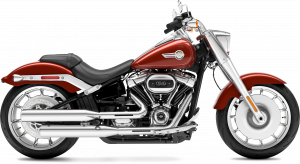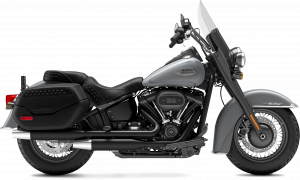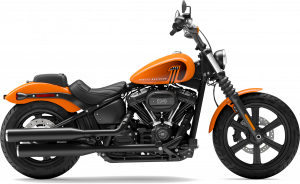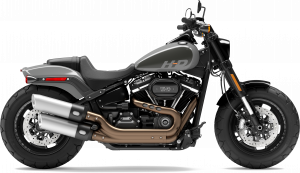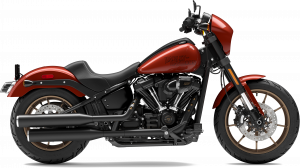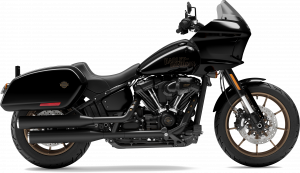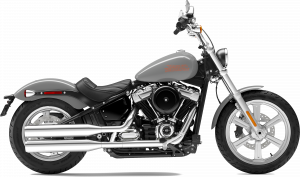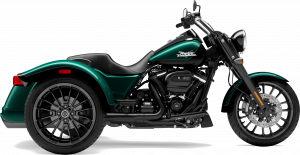

Motorcycle noise limits in Death Valley are enforced under California law and National Park Service standards, with most motorcycles manufactured after 1985 limited to a maximum of 80 decibels. Older motorcycles have slightly higher allowable limits based on model year, but modified or excessively loud exhaust systems can still result in citations. Because Death Valley is a National Park, riders are expected to follow strict exhaust and sound regulations designed to protect wildlife, preserve natural soundscapes, and ensure a respectful experience for all visitors.
Death Valley Harley-Davidson is here to support riders with expert guidance, trusted service, and a full lineup of new and pre-owned Harley-Davidson motorcycles, parts, and accessories. Whether you ride a Heritage Classic, Road Glide, or Street Bob, our team is ready to help you stay compliant, confident, and ready for the road ahead. Contact Death Valley Harley-Davidson today or stop by to experience knowledgeable service and rider-focused support from a dealership that treats you like family.
Motorcycle Noise Limits Enforced in Death Valley for 2026
Motorcycle noise limits enforced in Death Valley for 2026 follow California law and National Park Service rules. Most street-legal motorcycles made after 1985 must stay at or below 80 decibels. This standard helps protect wildlife, reduce sound travel across open desert land, and preserve a calm park setting. Rangers may stop a rider if a motorcycle sounds unusually loud, even without sound testing tools. Older motorcycles are held to different limits based on their model year. These limits apply at all times while riding within park boundaries and surrounding areas.
- Motorcycles built from 1974 to 1985 are limited to 83 decibels
- Motorcycles built from 1972 to 1974 are limited to 86 decibels
Most stock motorcycles meet motorcycle noise limits Death Valley enforces. A well-maintained Heritage Classic, with factory or approved exhaust parts, is a strong example of a bike built to stay within legal sound levels. Smooth throttle use and steady speeds also help riders avoid noise-related stops.
California Motorcycle Sound Laws and National Park Enforcement
Death Valley motorcycle noise regulations follow California’s state laws, which require all street-legal motorcycles to have a functioning muffler. The rules limit the amount of noise a bike can make, and they apply to both new and older motorcycles. Park rangers enforce these rules to protect the natural quiet and wildlife throughout Death Valley. Even if a decibel meter is not used, riders can be cited for exhausts that are too loud. Key points of California motorcycle sound laws include:
- All motorcycles must have an approved muffler that keeps noise within legal limits
- Modifying a stock exhaust in a way that increases sound is not allowed
- Aftermarket exhausts must be EPA or CARB certified and labeled
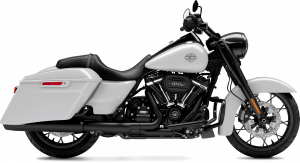
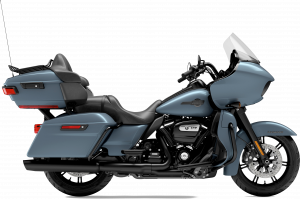
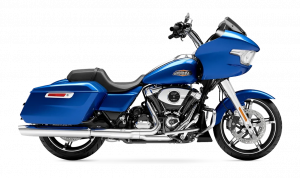
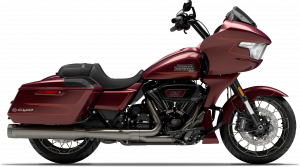
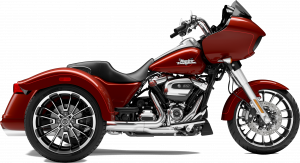
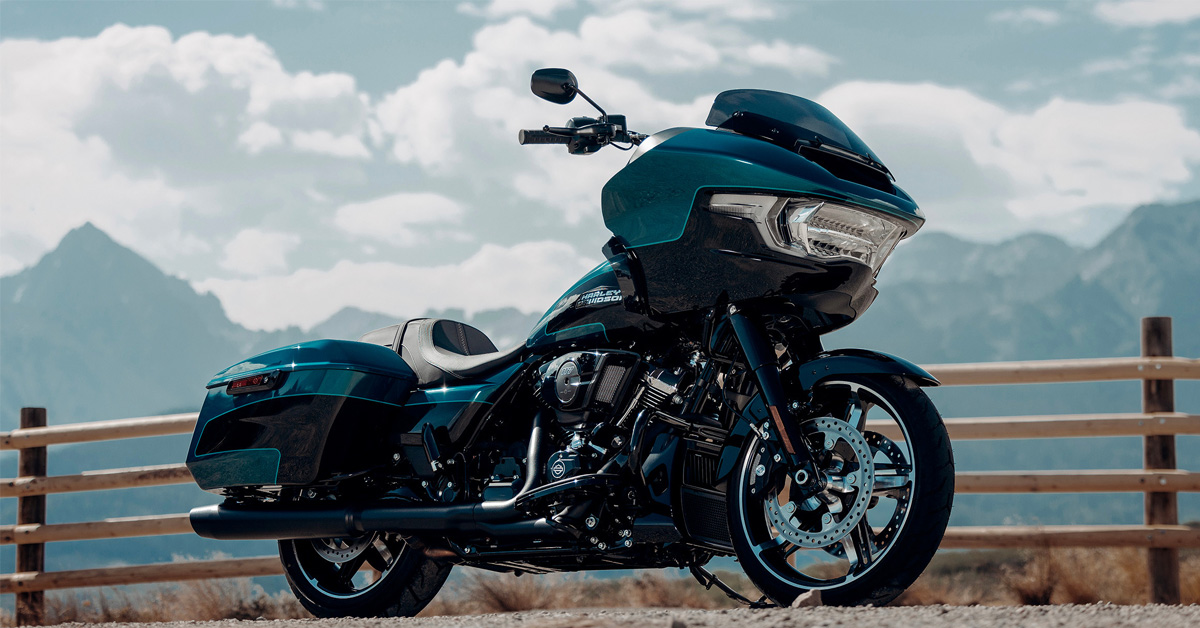
National Park enforcement adds another layer of oversight. Rangers can stop any bike that is considered unusually loud, including touring models like the Road Glide. Riders should avoid excessive revving, rapid acceleration, and loud idling near visitor areas. Following these rules helps keep your ride safe and respectful, while allowing everyone to enjoy the park’s quiet landscapes.
Motorcycle Decibel Limits Based on Manufacturing Year
California motorcycle sound laws Death Valley enforces set limits based on a bike’s model year. These rules help keep the park quiet and protect visitors and wildlife from loud noise. Most modern motorcycles must meet stricter decibel limits, while older models have slightly higher allowances. Knowing your motorcycle’s year and limit is key to staying compliant and avoiding fines. Decibel limits by manufacturing year include:
- Motorcycles made after 1985 must stay at or below 80 decibels
- Motorcycles built from 1974 to 1985 can reach up to 83 decibels
- Motorcycles from 1972 to 1974 are allowed up to 86 decibels
Even popular models like the Street Bob need to follow these limits, especially when riding at full throttle. Regular maintenance of the muffler and exhaust helps ensure your bike stays within legal levels. Steady riding and avoiding unnecessary revving also reduce noise and lower the chance of a stop by park rangers.
Noise Regulations for Off-Highway Motorcycles
Death Valley CA motorcycle exhaust laws also cover off-highway motorcycles, or OHVs, used on trails and unpaved roads. These rules are slightly different from street-legal bike regulations. Off-highway bikes often have higher decibel limits, but excessive noise is still prohibited. Following the rules helps preserve natural sounds and avoid citations from park rangers. Key points for off-highway motorcycles include:
- OHVs made on or after January 1, 1986 must stay under 96 decibels
- All off-highway motorcycles must have a functioning muffler
- Modifications that increase noise beyond legal limits are not allowed
Even if you ride a Heritage Classic on designated OHV roads, it is important to stay within sound limits. Regular maintenance, proper exhaust setup, and smooth throttle use can help your bike remain compliant. Respecting these rules protects wildlife and keeps trails enjoyable for all riders.
Importance of Noise Control in Desert and Protected Landscapes
Motorcycle decibel limits Death Valley enforces are important for protecting the natural quiet of the desert. Sound carries far in open landscapes, which means loud motorcycles can disturb wildlife and other visitors. Keeping noise low helps preserve the park’s natural soundscape for everyone to enjoy. Key reasons noise control matters include:
- Protecting wildlife from stress and disruption caused by loud engines
- Maintaining peaceful experiences for hikers, campers, and other riders
- Reducing echo and overall noise in wide open desert areas
Even a well-maintained Heritage Classic can produce more noise than expected if the exhaust is modified or the throttle is used aggressively. Smooth riding, steady speeds, and proper maintenance help keep motorcycles within legal limits. Respectful sound levels also support continued access for riders to explore these protected areas safely.
Frequently Asked Questions About Motorcycle Noise in Death Valley
Motorcycle riders often have questions about noise rules in Death Valley. Knowing the limits helps protect the environment and avoid fines.
What is the legal noise limit for motorcycles in Death Valley, CA?
80 decibels for motorcycles made after 1985.
How are motorcycle noise levels measured in Death Valley?
By audibility from 50 feet or with a decibel meter.
Can I get a ticket for a loud motorcycle exhaust in Death Valley?
Yes, loud exhausts can result in citations.
Are there specific times when motorcycle noise restrictions are stricter in Death Valley?
No, limits apply at all times.
Do aftermarket exhausts violate noise laws in Death Valley National Park?
Yes, if they exceed legal noise levels.
What are the fines for exceeding motorcycle noise limits in Death Valley?
Up to $1,000 for violations.
Are there exemptions to motorcycle noise limits in Death Valley?
No, all street-legal motorcycles must comply.
How do Death Valley motorcycle noise laws compare to other California areas?
They follow state laws but are enforced more strictly.
Can park rangers enforce motorcycle noise violations in Death Valley?
Yes, rangers can issue citations for loud motorcycles.
What decibel level is considered too loud for motorcycles in Death Valley?
Any motorcycle over 80 decibels.
Connect with Death Valley Harley-Davidson
If you want to ride within the rules and enjoy Death Valley safely, our team is here to help. We offer a wide selection of Harley-Davidson motorcycles, including the Heritage Classic, Road Glide, and Street Bob. Whether you are looking for new bikes, pre-owned models, parts, or service, our experts can guide you. Riders can also learn more about safe riding in the desert.
Check out our night riding tips to stay safe when the sun goes down, explore the desert routes perfect for long trips, or review the Heritage performance specs for your next adventure.
Contact Death Valley Harley-Davidson today to see our inventory or get advice on keeping your bike compliant and ready for the open road.
Get Directions to Death Valley Harley Davidson
Disclaimer: All information is provided for general informational and entertainment purposes only. While we strive for accuracy, we cannot guarantee that all content is complete, current, or error-free. Any reliance you place on such information is strictly at your own risk. This article may include opinions and is not endorsed by, or officially affiliated with, any vehicle manufacturer or brand. Always consult official sources – such as the vehicle’s owner’s manual, authorized dealerships, or certified professionals – for the most up-to-date and personalized information.