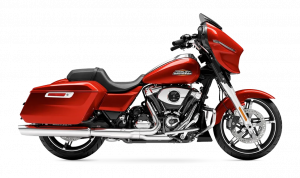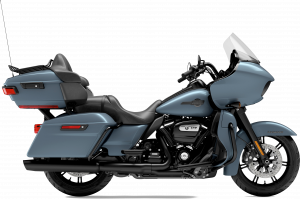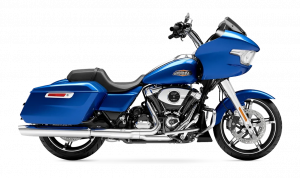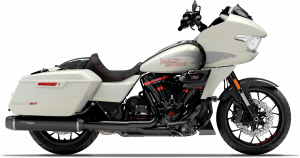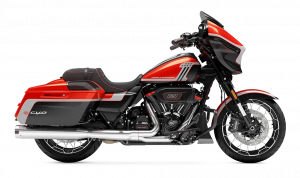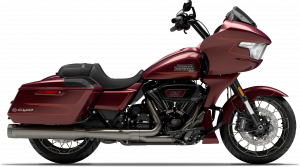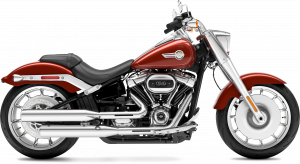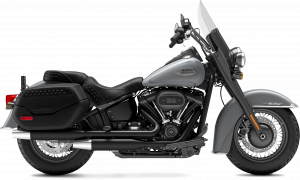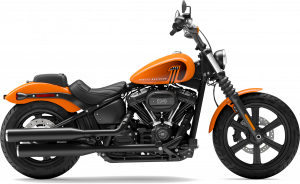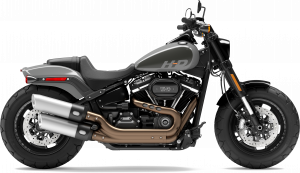


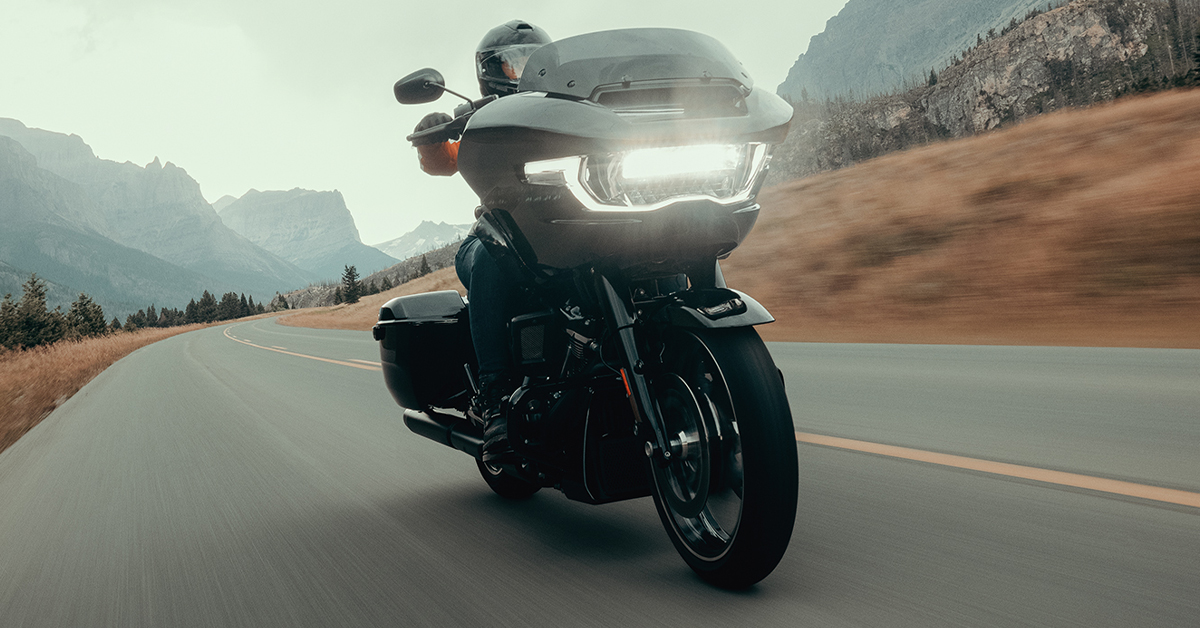
Riding a Harley-Davidson through the desert at night demands heightened awareness, proper lighting, and smart preparation to manage limited visibility, wildlife activity, and sudden temperature changes. Safe desert night riding focuses on being seen, seeing farther ahead, staying alert, and equipping your motorcycle and gear for low light conditions so every mile after sunset remains controlled and confident.
Death Valley Harley Davidson is here to support riders with expert guidance, Harley-Davidson sales, certified service, genuine parts, and lighting and gear upgrades tailored for night riding. Whether you ride a Road Glide or another Harley model, our team is ready to help you prepare for safer desert rides. Contact Death Valley Harley Davidson today or visit us to get started.
What Makes Night Riding in the Desert Different From Other Environments?
Riding at night in the desert is not like riding in cities or forested areas. Light is sparse, roads stretch long and empty, and temperatures can swing quickly. These factors make motorcycle night safety desert practices essential for every ride.
Temperature changes can be extreme. Even after hot days, desert nights can feel cold. This affects tire grip, rider comfort, and focus on long rides.
Desert roads are often isolated. Cell service may be weak or nonexistent, so planning is critical. Help can take time to arrive in case of a breakdown.
Wildlife poses a greater risk in desert areas. Animals like rabbits, coyotes, and deer are more active after dark. Riders must scan the road edges and reduce speed in unlit areas.
Sparse lighting makes it harder to spot hazards. Gravel, sand patches, and debris blend into the dark, increasing the chance of a slip or crash.
Key factors that make desert night riding unique include:
- Extreme temperature swings from day to night
- Remote roads with limited cell coverage
- Active nocturnal wildlife on or near roads
- Minimal artificial lighting on highways and desert paths
Motorcycle night safety desert tips emphasize careful planning, slower speeds, and using every tool to stay visible and alert. Proper preparation helps riders handle these challenges with confidence.
How Should Harley-Davidson Riders Prepare Before a Desert Night Ride?
Proper preparation is key to staying safe on desert night rides. Even short trips need careful planning to handle low light, temperature swings, and wildlife. Following a Harley-Davidson night riding guide can help ensure both rider and bike are ready.
Start with a full inspection of your motorcycle. Check tires, brakes, lights, and fluid levels. A well-maintained Road Glide performs better on desert roads, especially at night.
Lighting is critical. Make sure headlights, brake lights, and turn signals work properly. Consider upgrading to LED or HID lights for longer visibility.
Gear and clothing matter too. Wear reflective jackets or vests and bright helmets to be seen. Clear visors provide better night vision than tinted options.
Plan your route and timing. Let someone know where you are going and when you expect to return. Carry GPS or a satellite device if cell service is limited.
Carry essential tools and supplies. Bring a small tool kit, tire plugs, water, and emergency items. Being ready for a breakdown keeps the ride safe and smooth.
Key preparation steps for desert night riding include:
- Full bike inspection (tires, brakes, lights, fluids)
- Upgraded or properly aligned lighting for visibility
- Reflective and high-visibility gear for rider safety
- Route planning and communication with others
- Emergency tools, water, and spare parts
Following a Harley-Davidson night riding guide helps riders enjoy desert roads confidently while staying alert and prepared.
How Can Riders Improve Visibility to Other Drivers After Dark?
Being seen by other drivers is just as important as seeing the road ahead. Low light makes it easy for motorcycles to go unnoticed. Riders can use multiple strategies to stand out, especially on a Road Glide.
Wearing bright, reflective gear is one of the simplest ways to increase visibility. Jackets, vests, and helmets with reflective surfaces help drivers notice you sooner. Adding reflective tape or decals to the bike also improves visibility from every angle.
Lighting upgrades make a big difference. Properly aligned headlights, auxiliary lights, and brake light flashers alert other drivers to your presence. LED or HID bulbs provide brighter, longer-reaching beams, making it easier for drivers to see you.
Other techniques include positioning yourself in the lane where drivers can spot you easily and avoiding blind spots of larger vehicles. Keep a safe distance from cars, and use your turn signals early.
Key steps to improve visibility after dark:
- Wear reflective and high-visibility gear
- Apply reflective tape or decals to the motorcycle
- Upgrade headlights or add auxiliary lights
- Use brake light flashers to catch attention
- Maintain lane position where others can see you
Following motorcycle night safety desert practices and using these visibility strategies on a Road Glide helps reduce the risk of accidents and keeps rides safer.
What Riding Techniques Help Prevent Nighttime Desert Accidents?
Nighttime desert riding requires careful control and attention to reduce risks. Limited light, loose sand, and sudden wildlife can turn small mistakes into serious problems. Following Harley desert night riding tips 2026 helps riders stay alert and prepared.
Maintain a safe speed that matches your visibility. Do not out-ride your headlights. Braking and turning at high speeds with limited sight is dangerous. Keep extra distance from other vehicles to allow more time to react.
Scan the road constantly, looking for hazards like gravel, potholes, and animals. Use your headlights to illuminate the edges and anticipate problems early. High beams can be used when no traffic is near, but always switch to low beams for oncoming vehicles.
Smooth inputs are critical. Avoid sudden braking or sharp turns that can cause a loss of traction. Lean gently and accelerate gradually, especially on a Road Glide, which is heavier than other models.
Key techniques to prevent accidents:
- Adjust speed to your sight distance
- Maintain extra space from other vehicles
- Scan road surfaces and edges continuously
- Use high beams when safe, low beams for traffic
- Make smooth turns and gradual braking
Following these riding strategies on a Road Glide ensures safer nighttime trips through the desert while staying alert to all potential hazards.
How Should Riders Handle Wildlife Encounters at Night?
Wildlife on desert roads can appear suddenly and cause serious accidents. Nighttime makes spotting animals harder, so extra caution is needed. Motorcycle night safety desert practices focus on being alert and ready to react safely.
Slow down when riding in areas with frequent animal sightings. Give yourself more time to stop if an animal crosses your path. Scan both sides of the road for movement and reflective eyes.
If an animal appears, brake firmly but avoid sharp swerves that could cause a crash. Maintain control of your bike and steer smoothly around obstacles when possible. Be ready for multiple animals, as one often follows another.
Key tips for handling wildlife at night:
- Reduce speed in areas with known animal activity
- Scan road edges continuously for movement
- Brake firmly, avoid sudden swerves
- Expect more than one animal at a time
- Use headlights to spot animals early
Following these steps helps riders stay safe while enjoying desert rides after dark. Proper awareness and smooth handling reduce the risk of collisions.
How Can Harley Riders Manage Fatigue and Drowsiness During Night Rides?
Riding at night can be tiring, especially on long desert roads. Fatigue slows reaction time and reduces focus, increasing the risk of accidents. Following a Harley-Davidson night riding guide helps riders stay alert and safe on a Road Glide.
Take regular breaks every 60 to 90 minutes to rest and rehydrate. Stretching and moving around helps reduce stiffness and keeps blood flowing. Avoid riding if you feel heavy-eyed or sluggish, as even a short lapse can be dangerous.
Caffeine or light snacks can boost alertness temporarily, but they are not a substitute for sleep. Keep your body cool and comfortable, as overheating or chill can increase drowsiness. Riding with a passenger or in a group can also help maintain alertness through conversation and shared focus.
Key ways to manage fatigue and drowsiness:
- Take regular breaks and stretch
- Drink water and eat light snacks
- Avoid riding if overly tired
- Keep your body comfortable and cool
- Ride with a partner or group for shared alertness
Using these strategies ensures riders can maintain focus and handle desert roads safely at night on a Road Glide.
What Gear Choices Make the Biggest Difference for Night Desert Riding?
Choosing the right gear can greatly improve safety and comfort during night rides. Safe desert riding on Harley requires visibility, protection, and comfort in changing temperatures. Reflective clothing and helmets help other drivers see you from far away.
Clear visors improve vision and reduce glare from headlights. Jackets and pants made from durable material protect against falls and debris. Gloves with grip keep control of handlebars steady, especially on a Road Glide over rough terrain.
Boots should cover ankles and provide strong support while allowing pedal control. Layering clothes helps adjust to desert temperature swings from warm nights to chilly early mornings. High-visibility vests or patches can be added over jackets to further increase visibility.
Key gear choices for night desert riding include:
- Reflective helmets, jackets, and pants
- Clear visors for better vision
- Durable gloves for grip and protection
- Supportive boots for stability and control
- Layered clothing for temperature changes
The right gear ensures riders stay visible, comfortable, and protected while enjoying the thrill of safe desert riding on Harley motorcycles.
How Can Harley-Davidson Owners Ride Confidently in the Desert After Dark?
Confidence comes from preparation, awareness, and the right equipment. Harley lighting gear desert riding upgrades improve visibility for both the rider and other drivers. A well-maintained Road Glide with properly aligned headlights and auxiliary lights makes spotting hazards easier.
Riders should plan routes, know where rest stops are, and avoid unfamiliar roads when possible. Staying alert, scanning the road continuously, and keeping a safe speed builds control and reduces surprises. Wearing reflective clothing and high-visibility gear helps others see you sooner, enhancing overall safety.
Key strategies for confident desert night riding include:
- Upgrade motorcycle lighting and check alignment
- Wear reflective or high-visibility clothing
- Maintain a safe and controlled speed
- Scan roads constantly for hazards
- Plan routes and know stop points
Following these steps ensures Harley-Davidson owners can ride confidently and safely in the desert after dark, enjoying the open road on a Road Glide.
Frequently Asked Questions About Desert Night Riding Safety Tips for Harley-Davidson Owners [2026]
What should Harley-Davidson riders prepare for before riding in the desert at night?
Riders should check and upgrade all lights, inspect tires, brakes, and battery, carry a tool kit and spare parts, plan their route, and inform someone of their timeline.
How can I improve visibility when riding my Harley in low-light desert conditions?
Use reflective clothing and decals, maintain properly aligned headlights, add auxiliary or LED lights, and position yourself in the lane for maximum visibility to other drivers.
What safety gear is essential for night riding in desert environments?
High-visibility or reflective helmets and jackets, clear visors, durable gloves, supportive boots, and layered clothing for temperature changes are essential.
Are there risks unique to desert night riding Harley owners should know?
Yes, riders face wildlife encounters, extreme temperature swings, loose sand or gravel on roads, sparse lighting, and isolation with limited cell service.
How can I keep my Harley-Davidson from overheating or malfunctioning during desert night rides?
Ensure proper tire pressure, check fluid levels, maintain the battery, allow the engine to cool during stops, and carry spare parts or tools for minor repairs.
Ride Safely and Explore More with Death Valley Harley-Davidson
Riders from Death Valley, Hesperia, Apple Valley, and Victorville are invited to explore our wide selection of Harley-Davidson motorcycles, including the Road Glide. Our team is ready to help with sales, service, parts, and any questions about night riding in the desert. Plan your next adventure by checking out the best desert routes. Discover scenic roads and safe rides.
Learn more about the Heritage Classic specs or explore Low Rider S ride modes to get the most from your Harley. Contact Death Valley Harley-Davidson today to get guidance, view our lineup, or schedule a test ride. We are here to help every step of your desert riding journey.
Get Directions to Death Valley Harley Davidson
Disclaimer: All information is provided for general informational and entertainment purposes only. While we strive for accuracy, we cannot guarantee that all content is complete, current, or error-free. Any reliance you place on such information is strictly at your own risk. This article may include opinions and is not endorsed by, or officially affiliated with, any vehicle manufacturer or brand. Always consult official sources – such as the vehicle’s owner’s manual, authorized dealerships, or certified professionals – for the most up-to-date and personalized information.